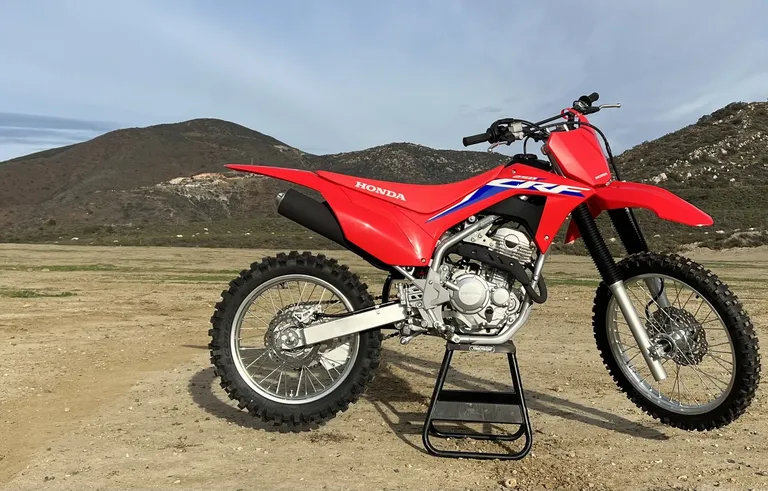
Choosing the best dirt bike for beginners can feel overwhelming when you’re standing in a dealership surrounded by dozens of models. You’re probably wondering: Will this bike be too powerful? Is it the right size for me? Can I afford it? These concerns are completely normal, and this guide is here to help. Whether you’re an adult looking to explore off-road trails or a parent shopping for your teenager’s first bike, we’ll walk you through everything you need to know to make a confident, informed decision. By the end of this article, you’ll understand exactly which beginner dirt bike matches your needs, skill level, and budget.
What Makes a Dirt Bike Beginner-Friendly?
Not all dirt bikes are created equal, and choosing the wrong one can turn your first riding experience from exciting to frustrating. A true beginner-friendly dirt bike combines manageable power, comfortable ergonomics, and forgiving handling characteristics that help new riders build confidence without feeling overwhelmed.
Engine Size (cc)
Engine displacement, measured in cubic centimeters (cc), directly affects how much power a dirt bike produces. For beginners, smaller engines are safer and more controllable. Adults typically start with bikes between 125cc and 250cc, while younger riders do best with 50cc to 125cc models. A common mistake is buying too much bike too soon—starting with a manageable engine size lets you focus on technique rather than wrestling with excessive power.
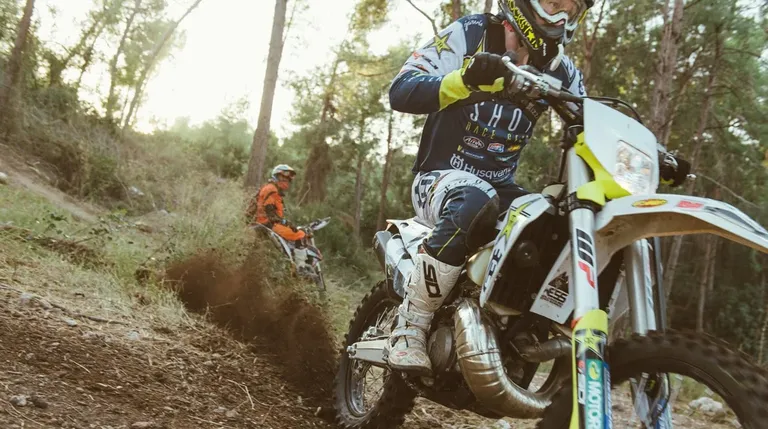
Weight & Seat Height
A dirt bike you can’t touch the ground on is a dirt bike you’ll struggle to control. Seat height matters tremendously for beginners who need to put at least one foot flat on the ground when stopped. Similarly, lighter bikes are easier to handle, pick up when dropped, and maneuver through trails. Look for bikes under 250 pounds if possible, and always sit on a bike before buying to ensure you can comfortably reach the ground.
Power Delivery
How a bike delivers its power matters as much as how much power it has. Beginner-friendly dirt bikes feature smooth, predictable power delivery without sudden surges that can surprise inexperienced riders. Four-stroke engines typically offer more linear, controllable power compared to the snappier, more aggressive hit of two-stroke engines, making them ideal for those just starting out.
Maintenance & Reliability
As a beginner, you want to spend time riding, not wrenching. The best starter dirt bikes come from manufacturers known for reliability and have straightforward maintenance requirements. Japanese brands like Yamaha, Honda, Kawasaki, and Suzuki have earned reputations for building bulletproof beginner bikes that can handle occasional neglect and still fire up reliably.
Budget Considerations
Beginner dirt bikes range from around $2,500 for smaller youth models to $8,000+ for premium adult bikes. Remember that your initial investment includes more than just the bike—you’ll also need safety gear, maintenance supplies, and possibly transportation equipment. Setting a realistic budget that accounts for these extras prevents financial stress and ensures you can actually enjoy your new hobby.
Best Dirt Bikes for Beginners (Top Picks)
After extensive research and consideration of real-world beginner experiences, these motorcycles stand out as the top choices for new riders in 2026.
Yamaha TT-R125 – Best Beginner Dirt Bike Overall
The Yamaha TT-R125 has earned its reputation as the gold standard for beginner dirt bikes. This four-stroke trail bike offers electric start, smooth power delivery, and Yamaha’s legendary reliability in a package that won’t intimidate new riders.
Pros:
- Electric start makes operation foolproof
- Extremely reliable with minimal maintenance
- Smooth, forgiving power perfect for learning
- Low seat height accommodates various rider sizes
- Strong resale value
Cons:
- May feel underpowered for larger or more aggressive adult riders
- Drum brakes aren’t as responsive as disc brakes
- Limited aftermarket modification options
Best for: Teenagers and smaller adults who want a reliable, confidence-inspiring first dirt bike
Estimated price range: $3,800 – $4,400
Honda CRF250F – Best Beginner Trail Bike for Adults
Honda’s CRF250F delivers the perfect combination of power and manageability for adult beginners. The 250cc four-stroke engine provides enough grunt for trail riding without overwhelming newcomers, while the low seat height and user-friendly handling inspire confidence from the first ride.
Pros:
- Ideal power level for adult beginners
- Electric start with backup kickstart
- Excellent fuel economy
- Comfortable ergonomics for longer rides
- Honda reliability means fewer headaches
Cons:
- Higher price point than smaller displacement bikes
- Weight may be challenging for very small riders
- Not designed for aggressive motocross use
Best for: Adult beginners who plan to ride trails and want room to grow into their bike
Estimated price range: $5,200 – $5,800
Kawasaki KLX140 – Best Budget-Friendly Option
The Kawasaki KLX140 proves you don’t need to spend a fortune to get a quality beginner dirt bike. This reliable four-stroke model offers excellent value with features like electric start and enough power for both youth and smaller adult riders.
Pros:
- Affordable entry point into dirt biking
- Electric start included despite lower price
- Durable construction handles beginner mistakes
- Easy to find parts and service
- Good transition bike that holds value
Cons:
- Smaller stature may not fit larger adults comfortably
- Suspension is basic compared to higher-end models
- Braking performance adequate but not exceptional
Best for: Budget-conscious buyers, teenagers, and families looking for a reliable starter bike
Estimated price range: $3,400 – $3,900
Suzuki DR-Z125L – Best for Taller Beginners
Suzuki’s DR-Z125L features a taller seat height than most 125cc bikes, making it perfect for taller teenagers and smaller adults who need more legroom. The reliable four-stroke engine and quality suspension deliver a premium beginner experience.
Pros:
- Higher seat height fits taller riders better
- Excellent suspension for trail riding
- Proven reliability over many years
- Smooth four-stroke power delivery
- Disc brakes front and rear
Cons:
- Higher seat may intimidate shorter riders
- More expensive than some alternatives
- Heavier than comparable 125cc bikes
Best for: Taller beginners who can’t comfortably fit on standard 125cc models
Estimated price range: $4,200 – $4,800
Yamaha PW50 – Best Dirt Bike for Young Children
The Yamaha PW50 has introduced countless young riders to dirt biking over its four-decade production run. This fully automatic 50cc two-stroke is specifically designed for children ages 4-7, with safety features like adjustable throttle limiting and no-clutch operation.
Pros:
- Extremely reliable and easy to maintain
- Automatic transmission requires no shifting
- Adjustable throttle limiter for gradual skill building
- Low seat height perfect for small children
- Holds value incredibly well
Cons:
- Too small for anyone over age 8-9
- Two-stroke requires oil/gas mixing
- Limited power may bore kids quickly as they improve
Best for: Young children (ages 4-7) experiencing their first dirt bike
Estimated price range: $1,700 – $2,100
Honda CRF110F – Best for Pre-Teens
Honda’s CRF110F bridges the gap between small youth bikes and full-size models. The reliable 110cc four-stroke engine, electric start, and automatic clutch make this an ideal choice for riders aged 8-12 who are ready for something more substantial than a 50cc bike.
Pros:
- Semi-automatic clutch (no hand clutch needed)
- Electric start for easy operation
- Fuel-injected for reliable starting in all conditions
- Adjustable throttle limiter
- Quality construction inspires parental confidence
Cons:
- Price is higher than some youth bikes
- Limited power for aggressive riding
- May be outgrown relatively quickly by fast-progressing riders
Best for: Pre-teens and young teenagers transitioning from smaller bikes
Estimated price range: $2,800 – $3,300
KTM 250 SX-F – Best for Serious Adult Beginners
While KTM’s 250 SX-F is more bike than most beginners need, serious adult riders who plan to progress quickly and have prior motorsports experience may appreciate starting with a higher-performance machine. This competition-ready four-stroke offers professional-level components in a beginner-friendly displacement.
Pros:
- Professional-grade suspension and brakes
- Excellent power-to-weight ratio
- Plenty of room to grow skills
- Premium components throughout
- Holds value well
Cons:
- Expensive initial investment
- Aggressive power delivery requires respect
- Higher maintenance costs and frequency
- May be intimidating for true beginners
Best for: Adult beginners with motorsports background who plan to ride aggressively
Estimated price range: $9,800 – $10,500
Best Dirt Bikes for Beginners by Category
Different beginners have different needs based on age, size, budget, and riding goals. These category-specific recommendations help you narrow your choices.
Best Dirt Bike for Adults
Winner: Honda CRF250F
Adult beginners need enough power to enjoy trail riding without feeling like they’re riding a toy, and the CRF250F delivers exactly that. The 250cc four-stroke engine provides sufficient power for adult-sized riders while remaining manageable and forgiving. The low seat height accommodates various heights, and Honda’s reliability means you’ll spend more time riding than maintaining.
Best Dirt Bike for Teens
Winner: Yamaha TT-R125
Teenagers need a bike that builds confidence without overwhelming them, and the TT-R125 has been doing exactly that for years. The electric start eliminates the frustration of kickstarting, while the smooth power delivery forgives throttle mistakes. The bike is substantial enough that teens won’t immediately outgrow it, yet manageable enough for genuine beginners.
Best Budget Dirt Bike
Winner: Kawasaki KLX140
For families or individuals watching their budget, the KLX140 offers exceptional value without significant compromises. You still get electric start, reliable four-stroke power, and Kawasaki’s solid build quality—just at a more accessible price point. This bike proves you don’t need to spend $5,000+ to get a quality beginner dirt bike.
Best Beginner Trail Bike
Winner: Honda CRF250F
Trail riding demands different characteristics than motocross racing—you need comfort, reliability, and smooth power over outright performance. The CRF250F excels in trail environments with its comfortable ergonomics, excellent fuel economy, and power delivery that won’t surprise you mid-corner. The bike handles rocky terrain confidently while remaining light enough to navigate tight trails.
2-Stroke vs 4-Stroke Dirt Bikes for Beginners
Understanding the difference between two-stroke and four-stroke engines helps you make an informed decision about your first dirt bike.
Four-Stroke Engines (RECOMMENDED FOR BEGINNERS):
Four-stroke engines produce power through a four-step combustion cycle, resulting in smooth, linear power delivery. These engines are generally more fuel-efficient, quieter, and require less frequent maintenance than two-strokes. For beginners, the predictable power characteristics of four-strokes make them much easier to control. You won’t experience sudden power surges that can surprise inexperienced riders. Additionally, four-strokes don’t require premixing oil and gas, simplifying the fueling process.
The downside? Four-stroke engines are heavier, more mechanically complex, and more expensive to repair when something does go wrong. However, for beginner riders, these tradeoffs are absolutely worth the improved rideability.
Two-Stroke Engines:
Two-stroke engines complete their combustion cycle in just two steps, creating more power from smaller displacement. This makes them lighter and simpler mechanically. However, two-stroke power delivery is much more aggressive and “peaky”—power comes on suddenly rather than progressively. This characteristic makes them challenging for beginners who haven’t yet developed smooth throttle control.
Two-strokes also require mixing oil with gasoline at specific ratios, adding complexity to maintenance. While experienced riders love two-strokes for their responsive power and light weight, beginners almost universally have better experiences learning on four-stroke bikes.
The Verdict: Start with a four-stroke. Once you’ve developed solid riding skills and smooth throttle control, you can always try a two-stroke later if you’re curious.
What Size Dirt Bike Should a Beginner Choose?
Selecting the right size dirt bike involves matching three key factors: your height, your weight, and your riding goals.
Height Considerations:
Seat height is critical for beginner confidence. You should be able to place at least one foot flat on the ground when sitting on the bike at a stop. Ideally, both feet can touch with at least your toes firmly planted. Here’s a general guide:
- Riders under 5’2″: Look for bikes with seat heights under 30 inches (50cc-110cc youth models)
- Riders 5’2″ to 5’6″: Seat heights 30-33 inches work well (125cc models)
- Riders 5’6″ to 6’0″: Seat heights 33-36 inches (125cc-250cc models)
- Riders over 6’0″: Seat heights 36+ inches (250cc+ models)
These are guidelines, not rules. Individual leg length varies, so always sit on bikes before buying.
Weight and Bike Size:
Your weight affects which bike will feel properly powered. A 200-pound adult will find a 125cc bike underpowered, while a 140-pound teenager may find a 250cc bike perfectly adequate. Generally:
- Riders under 120 pounds: 50cc-125cc
- Riders 120-160 pounds: 125cc-200cc
- Riders 160-200 pounds: 200cc-250cc
- Riders over 200 pounds: 250cc+
Engine Displacement Recommendations:
Start conservatively with engine size. You can always upgrade to more power, but you can’t take back the bad habits or injuries that come from starting with too much bike. For complete beginners:
- Children (ages 4-7): 50cc
- Pre-teens (ages 8-12): 70cc-110cc
- Teenagers: 125cc-150cc
- Adults: 125cc-250cc (depending on size and athleticism)
For more detailed guidance on sizing, check our comprehensive dirt bike size guide.
New vs Used Dirt Bikes for Beginners
The new versus used debate splits beginner riders, with solid arguments on both sides.
When Buying New Makes Sense:
New dirt bikes offer complete peace of mind. You know the bike’s entire history, it’s covered by warranty, and you won’t inherit someone else’s maintenance mistakes or crash damage. For beginners who aren’t mechanically inclined and want minimal hassle, spending extra on a new bike can be worth every penny. New bikes also offer the latest safety features, fuel injection for easier starting, and modern ergonomics designed with current rider feedback.
The downside is purely financial—new bikes depreciate significantly in the first year, and beginners often drop or damage their first bikes while learning.
When Used Bikes Are the Smart Choice:
Used dirt bikes cost significantly less, allowing beginners to allocate more budget toward safety gear, training, or fuel. Since beginners will likely drop their bike multiple times while learning, starting with a used bike means less financial stress when those inevitable tip-overs happen. Many used dirt bikes, especially from quality manufacturers like Honda and Yamaha, have plenty of life left if they’ve been properly maintained.
Red Flags When Buying Used:
Inspect any used dirt bike carefully before purchasing:
- Excessive dirt and grime (indicates poor maintenance)
- Leaking fluids anywhere on the engine
- Unusual engine noises or smoking
- Bent or damaged frame components
- Missing parts or non-functional controls
- Seller unwilling to let you hear it run
- No maintenance records available
- Multiple owners in short time span
If possible, bring an experienced rider with you when inspecting used bikes. The $50-100 you might spend having a mechanic inspect a potential purchase can save you thousands in hidden problems.
For most beginners, a used bike from a reputable Japanese manufacturer that’s 3-5 years old represents the sweet spot of value and reliability.
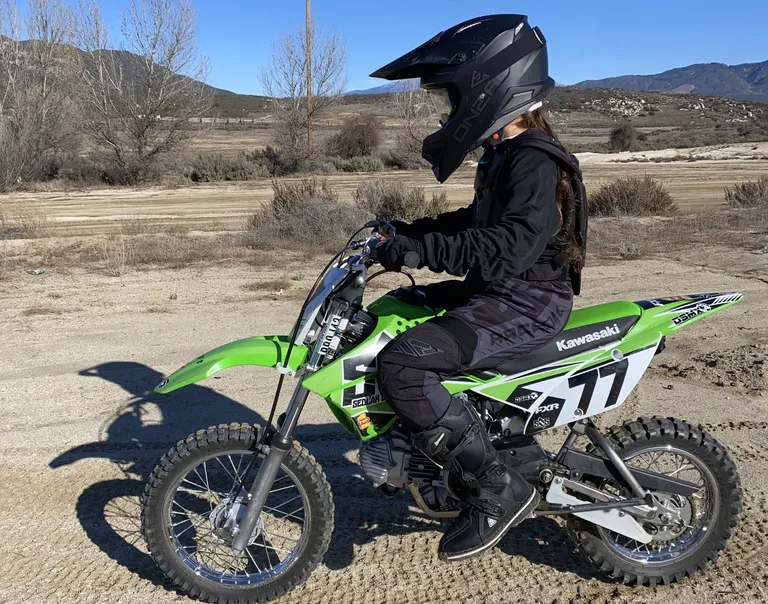
Beginner Safety Tips Before Your First Ride
Getting the right bike is just the first step. Following these safety guidelines protects you as you develop your skills.
Invest in Proper Gear: Quality safety equipment isn’t optional. At minimum, you need a DOT-approved helmet, goggles, gloves, boots that cover your ankles, and protective clothing. Chest protectors, knee guards, and elbow pads add extra insurance. Don’t skimp on gear to save money—medical bills from injuries cost far more than quality equipment. Check out our dirt bike safety gear checklist for specific recommendations.
Take a Training Course: Professional instruction accelerates your learning while keeping you safer. Organizations like the Motorcycle Safety Foundation offer dirt bike courses that teach proper technique, safety protocols, and riding fundamentals. Even a single day of professional instruction can prevent months of bad habits.
Start on Easy Terrain: Your first rides should happen in open, flat areas free of obstacles. Empty fields, basic trails, or designated beginner areas at off-road parks are ideal. Avoid challenging terrain, steep hills, or technical trails until you’ve mastered basic control, turning, and braking.
Ride Within Your Limits: Every beginner wants to progress quickly, but pushing beyond your current skill level invites injuries. Master each skill completely before moving to the next challenge. There’s no shame in being a beginner—everyone started exactly where you are.
Never Ride Alone: Especially as a beginner, always ride with at least one other person. If you crash or experience mechanical problems in a remote area, having someone there can be the difference between a minor inconvenience and a serious emergency.
For comprehensive guidance on your first rides, visit our beginner riding tips page.
FAQs About Best Dirt Bikes for Beginners
How much should a beginner dirt bike cost?
Beginner dirt bikes typically range from $1,700 for small youth models to $6,000 for quality adult bikes. Plan to spend $3,500-5,000 for a reliable new beginner bike for teens or adults. Used bikes can be found for $1,500-3,500 depending on age and condition. Remember to budget an additional $500-1,000 for essential safety gear and maintenance supplies.
Is a 250cc too big for beginners?
Not necessarily, but it depends on the specific bike and rider. A 250cc four-stroke trail bike like the Honda CRF250F is perfectly appropriate for adult beginners due to its smooth, manageable power delivery. However, a 250cc motocross race bike would be too aggressive for most new riders. Engine size matters less than power delivery characteristics and your physical size. Adults over 150 pounds often find 250cc four-strokes ideal for learning.
Are dirt bikes dangerous for beginners?
Dirt biking carries inherent risks, but proper preparation dramatically reduces danger. Wearing complete safety gear, taking professional training, starting on appropriate terrain, and choosing a beginner-friendly bike all contribute to safe learning experiences. Statistics show that most dirt bike injuries occur when riders attempt terrain or maneuvers beyond their skill level. Respect the learning process, wear proper gear, and progress gradually, and dirt biking can be enjoyed safely.
Should I learn on a manual or automatic clutch dirt bike?
For complete beginners, especially children and pre-teens, automatic clutch bikes eliminate one major learning complexity. You can focus entirely on throttle control, braking, and steering without worrying about clutch timing. However, adult beginners often do fine learning on manual clutch bikes from the start. Manual clutches provide more control in technical situations and are standard on most dirt bikes, so learning clutch control early has advantages. Choose based on your confidence level and previous vehicle experience.
How long before I outgrow my first dirt bike?
This varies wildly based on your progression rate and initial bike choice. Some aggressive learners outgrow a beginner bike within six months, while others happily ride their first bike for years. Choosing a bike at the higher end of beginner-appropriate specs (like a CRF250F rather than a TT-R125) typically provides a longer ownership period. Children naturally outgrow bikes more quickly than adults due to physical growth. Rather than worrying about outgrowing your bike, focus on getting enough bike to learn comfortably while leaving room for skill progression.
Ready to Start Your Dirt Biking Journey?
Choosing your first dirt bike is an exciting milestone in what will hopefully become a lifelong passion. By selecting a beginner-appropriate model from a reliable manufacturer, investing in proper safety gear, and approaching learning with patience and respect, you’re setting yourself up for years of off-road adventure. Remember that every expert rider started exactly where you are now—as a complete beginner taking their first ride.
For ongoing support as you develop your skills, explore our resources on dirt bike maintenance for beginners and join the thousands of new riders discovering why dirt biking is one of the most rewarding outdoor activities available.