Are you dreaming of conquering dirt trails but wondering where to start with dirt biking? The thrill of navigating rugged terrain on two wheels attracts thousands of new riders each year, yet many beginners feel overwhelmed by the technical aspects and safety considerations involved in this exciting sport.
Starting your dirt biking journey doesn’t have to be intimidating. With proper preparation, quality gear, and the right mindset, anyone can learn to master these powerful machines safely. The key lies in understanding fundamental techniques, respecting the bike’s capabilities, and building skills progressively rather than rushing into advanced terrain.
Many successful dirt bike enthusiasts started exactly where you are now – curious but cautious, excited yet uncertain about taking that first ride. The difference between those who thrive and those who quit early often comes down to following proven beginner dirt bike tips and maintaining realistic expectations about the learning curve ahead.
This comprehensive guide will transform you from a complete novice into a confident rider by covering everything from essential safety equipment to advanced riding techniques that separate experienced riders from weekend warriors.
Getting Started with Dirt Biking
What Is Dirt Biking?
Dirt biking represents one of motorsport’s most accessible yet challenging disciplines, combining physical skill, mental focus, and mechanical understanding. Unlike street motorcycles designed for paved surfaces, dirt bikes feature specialized suspension systems, knobby tires, and lightweight frames engineered specifically for off-road terrain navigation.
The sport encompasses various riding styles, from casual trail exploration to competitive motocross racing. Recreational riders often prefer single-track trails that wind through forests, deserts, or mountain regions, while others gravitate toward motocross tracks featuring jumps, berms, and technical obstacles designed to test rider skill and bike performance.
Understanding dirt biking’s diverse nature helps beginners choose appropriate starting points based on personal interests, fitness levels, and long-term goals within the sport.
Is Dirt Biking Right for You?
Determining your suitability for dirt biking requires honest self-assessment across multiple dimensions. Physical fitness plays a crucial role, as controlling a dirt bike demands core strength, balance, and endurance that many underestimate until their first extended ride leaves them exhausted.
Mental preparation proves equally important. Dirt biking requires split-second decision-making, risk assessment, and the ability to remain calm under pressure when navigating challenging terrain or recovering from mistakes. Riders must accept that falls and minor injuries are part of the learning process while maintaining safety as the top priority.
Financial considerations extend beyond the initial bike purchase to include ongoing maintenance, replacement parts, safety gear, and potential medical expenses. Budget-conscious beginners should research total ownership costs before committing to this rewarding but expensive hobby.
Types of Dirt Bikes Beginners Can Start With
Trail bikes offer the most forgiving introduction to dirt biking, featuring comfortable ergonomics, smooth power delivery, and user-friendly characteristics that build confidence gradually. These machines typically range from 125cc to 250cc, providing sufficient power for learning without overwhelming novice riders.
Dual-sport motorcycles bridge the gap between street and dirt capabilities, allowing beginners to practice on various surfaces while maintaining street-legal status for convenient transportation to riding areas. Their versatility makes them excellent choices for riders unsure about their preferred riding style.
Mini bikes and youth models serve riders under 16 or adults preferring lower seat heights and reduced power output. These scaled-down versions maintain authentic dirt bike characteristics while offering more manageable proportions for building fundamental skills.
Essential Dirt Bike Gear for Beginners
Must-Have Safety Equipment
Helmet
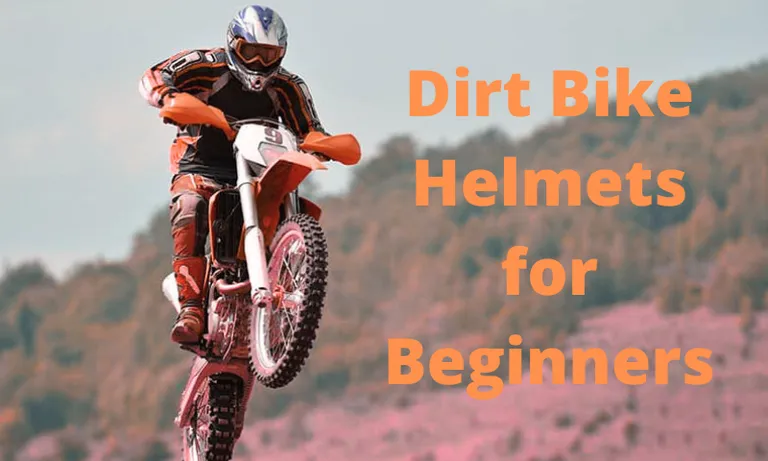
Your helmet represents the most critical investment in dirt biking safety, protecting against potentially fatal head injuries that occur even during low-speed accidents. DOT-approved helmets meeting current safety standards should be considered minimum requirements, while SNELL-certified options provide additional protection layers worth the extra investment.
Full-face helmets offer superior protection compared to open-face alternatives, shielding your jaw, chin, and face from impacts, debris, and branches encountered on trails. Proper fit ensures maximum protection – helmets should feel snug without pressure points, allowing normal breathing while preventing excessive movement during aggressive riding.
Ventilation systems become crucial during extended rides, as overheating can impair concentration and decision-making abilities. Quality helmets feature adjustable vents allowing airflow customization based on weather conditions and riding intensity.
Gloves
Dirt bike gloves protect hands from blisters, cuts, and impact injuries while providing essential grip on handlebars during challenging conditions. Quality gloves feature reinforced palms, knuckle protection, and breathable materials that maintain dexterity throughout long riding sessions.
Proper glove sizing prevents bunching or sliding that can interfere with control inputs. Gloves should feel like a second skin, allowing full finger movement while providing adequate padding against vibration and impacts from unexpected dismounts.
Weather-specific options expand riding seasons – waterproof gloves for wet conditions, insulated versions for cold weather, and lightweight summer gloves for hot climates ensure comfort across various environments.
Boots
Proper dirt bike boots protect feet, ankles, and lower legs from impact injuries, crushing forces, and heat from exhaust systems. Quality boots feature reinforced toe boxes, ankle support systems, and sole designs optimized for both riding and walking on various terrain types.
Boot height varies from low-cut options offering basic protection to full motocross boots extending past the calf for maximum safety. Beginners should prioritize ankle support and impact protection over weight savings, as inexperienced riders face higher injury risks during the learning process.
Proper fit prevents pressure points that can cause pain or numbness during extended rides. Boots should feel secure without restricting blood circulation, allowing comfortable walking while providing adequate protection during potential crashes.
Body Armor
Chest protectors shield vital organs from impact injuries and flying debris encountered on trails. Modern armor systems balance protection with mobility, featuring adjustable straps and ventilation systems that maintain comfort during physical riding demands.
Elbow and knee guards protect joints particularly vulnerable during falls or contact with bike components. Quality guards stay in position during aggressive riding while allowing the full range of motion necessary for proper body positioning and control inputs.
Back protectors become essential for riders tackling technical terrain or jumps where spine injuries represent significant risks. These specialized pieces integrate with other armor components or work as standalone protection systems depending on riding style and risk tolerance.
Budget-Friendly Gear Recommendations
Quality safety equipment doesn’t require breaking the bank, but avoid compromising protection for minor cost savings. Entry-level gear from reputable manufacturers often provides adequate protection for beginners while allowing budget allocation toward other essential purchases.
Consider purchasing used gear in good condition, particularly for items like chest protectors and back guards that don’t rely on precise fit for effectiveness. However, always buy new helmets to ensure proper safety certification and an unknown impact history.
Seasonal sales and end-of-model-year clearances offer opportunities to acquire quality gear at reduced prices. Many retailers offer package deals combining multiple protection items at discounted rates compared to individual purchases.
Where to Buy Beginner Dirt Bike Gear
Local motorcycle dealerships provide opportunities to try on gear before purchasing, ensuring proper fit and comfort. Knowledgeable staff can offer personalized recommendations based on your specific needs, riding style, and budget constraints.
Online retailers often feature extensive selections and competitive pricing, but require careful attention to sizing charts and return policies. Read customer reviews focusing on fit, durability, and comfort to make informed decisions when unable to physically examine products.
Specialty dirt bike shops cater specifically to off-road riders, offering expert advice and products designed for specific riding conditions. These establishments often provide gear packages tailored for beginners, simplifying the selection process while ensuring compatibility between different protection elements.
Basic Riding Techniques for First-Time Riders
Finding Your Balance
Balance represents the foundation of all dirt biking skills, requiring practice and patience to develop properly. Begin by sitting on your stationary bike, familiarizing yourself with control locations and developing muscle memory for essential inputs like throttle, brakes, and clutch operation.
Static balance exercises help build confidence before adding movement. Practice supporting the bike’s weight while standing beside it, then progress to sitting on the bike with one foot on the ground while maintaining balance using core muscles and subtle body positioning adjustments.
Dynamic balance develops through slow-speed practice in safe, open areas. Start with straight-line riding at walking pace, focusing on smooth throttle inputs and minimal steering corrections. Gradually increase speeds as balance confidence improves, always prioritizing control over speed.
Learning Throttle Control
Smooth throttle control separates confident riders from those struggling with jerky, unpredictable bike behavior. Modern dirt bikes deliver significant power even at low RPMs, making gradual throttle application essential for maintaining traction and control on loose surfaces.
Practice throttle modulation in various scenarios – acceleration from stops, maintaining steady speeds on inclines, and power reduction during turns. Understanding your bike’s power delivery characteristics helps predict responses to throttle inputs, building confidence in different riding situations.
Engine braking through throttle reduction provides additional control options beyond traditional braking systems. Learning to use engine compression for speed control proves particularly valuable on steep descents where brake overheating can compromise stopping ability.
Understanding Gears and Clutch
Manual transmission dirt bikes require coordination between the clutch, throttle, and gear selection that initially challenges riders accustomed to automatic vehicles. The clutch lever controls power transfer between engine and rear wheel, allowing smooth starts, gear changes, and emergency stops.
Clutch engagement points vary between bikes, requiring practice to find the friction zone where power begins transferring to the rear wheel. Smooth clutch modulation prevents stalling, reduces wear on transmission components, and provides better control during technical riding situations.
Gear selection affects power delivery characteristics and engine performance across different terrain types. Lower gears provide more torque for climbing hills or navigating technical obstacles, while higher gears offer better fuel efficiency and reduced engine wear during high-speed trail riding.
Practicing in a Safe Area
Selecting appropriate practice locations dramatically impacts learning progress and safety during skill development. Large, empty parking lots provide ideal environments for basic techniques without natural obstacles or traffic concerns that can distract from fundamental skill-building.
Private property with landowner permission offers opportunities to practice on varied terrain while maintaining controlled conditions. Avoid public trails until basic skills develop sufficiently to handle unexpected obstacles, other riders, and complex terrain features safely.
Professional training facilities provide structured learning environments with qualified instruction and appropriate equipment for different skill levels. Many facilities offer beginner courses covering essential techniques in controlled settings before transitioning to natural trail environments.
Body Positioning on Different Terrain
Proper body positioning affects bike handling, rider comfort, and safety across all terrain types. The attack position – standing on foot pegs with knees bent and elbows up – provides maximum control and shock absorption when navigating rough terrain or obstacles.
Weight distribution changes based on terrain conditions and riding situations. Forward weight bias helps with uphill climbs and front wheel traction, while rearward positioning aids downhill control and prevents front wheel washouts on loose surfaces.
Cornering techniques require coordinating body lean, weight distribution, and bike positioning to maintain traction and control through turns. Practice these skills at low speeds before attempting aggressive cornering on challenging terrain or at higher speeds.
Common Beginner Mistakes to Avoid
Going Too Fast Too Soon
Speed addiction affects many new riders who mistake velocity for skill progression. Excessive speed reduces reaction time, limits control options, and increases crash severity when mistakes occur. Building speed gradually allows proper technique development while maintaining safety margins essential for learning.
Trail speed should match rider skill, terrain difficulty, and current conditions rather than bike capabilities or peer pressure. Experienced riders often travel slower than beginners expect, prioritizing control and safety over outright speed when navigating technical sections.
Speed management becomes crucial during group rides where varying skill levels can create pressure to exceed comfort zones. Communicate limitations clearly and maintain personal standards regardless of group dynamics or subtle pressure to keep up with faster riders.
Ignoring Maintenance
Regular maintenance prevents costly repairs, ensures reliable performance, and maintains safety standards essential for enjoyable riding experiences. New riders often underestimate maintenance requirements, leading to premature component failure and dangerous mechanical issues during rides.
Basic maintenance tasks like chain lubrication, air filter cleaning, and tire pressure checks can be performed by most riders with minimal tools and mechanical knowledge. Establishing regular maintenance schedules prevents small issues from developing into major problems requiring professional repairs.
Pre-ride inspections identify potential issues before they cause problems on trails. Checking tire condition, brake function, and fluid levels takes minutes but can prevent accidents, injuries, and expensive repairs resulting from neglected maintenance items.
Wearing Inappropriate Gear
Inadequate protection equipment increases injury risks significantly, particularly for beginners still developing skills and judgment. Wearing street clothes or minimal protection may seem comfortable initially but provides no safeguards against inevitable falls and mishaps during the learning process.
Gear selection should match riding conditions and terrain difficulty rather than personal comfort preferences or weather considerations. Hot weather doesn’t justify eliminating essential protection, while cold conditions require additional layers that don’t compromise safety equipment effectiveness.
Properly fitted gear provides maximum protection while maintaining comfort and mobility necessary for effective bike control. Ill-fitting equipment can shift during rides, creating pressure points or gaps that reduce protection when impacts occur.
Not Practicing Enough Before Hitting the Trails
Rushing onto challenging trails before mastering fundamental skills creates dangerous situations for both inexperienced riders and others sharing trail systems. Basic techniques require repetitive practice in controlled environments before application in unpredictable trial conditions.
Skill progression follows predictable patterns that can’t be rushed without compromising safety and long-term development. Attempting advanced techniques or terrain before mastering prerequisites often results in bad habits that require extensive correction later in the learning process.
Patient skill building creates solid foundations supporting advanced technique development and confident trail riding. Riders who invest time in proper fundamental training progress faster and safer than those attempting shortcuts through the learning process.
How to Build Riding Confidence Over Time
Ride with More Experienced Friends
Experienced riding partners provide invaluable learning opportunities through demonstration, guidance, and encouragement during skill development phases. Observing proper techniques in action often clarifies concepts that seem confusing when explained verbally or through written instructions.
Mentorship relationships benefit both parties – experienced riders often enjoy sharing knowledge while beginners gain access to years of accumulated wisdom and practical experience. Choose mentors whose riding style and safety attitudes align with your personal goals and risk tolerance levels.
Group dynamics can either enhance or hinder learning depending on participant attitudes and skill levels. Seek groups prioritizing safety, skill development, and mutual support rather than competition or showing off which can create pressure to exceed current abilities.
Join a Dirt Bike Community or Forum
Online communities provide 24/7 access to collective knowledge from riders worldwide, offering solutions to common problems and answers to specific questions that arise during the learning process. Active participation in discussions helps build understanding while contributing to the broader riding community.
Local clubs and organizations offer structured activities, group rides, and training opportunities that accelerate skill development while building friendships with like-minded enthusiasts. Many clubs welcome beginners and provide mentorship programs pairing new riders with experienced members.
Forums and social media groups often feature regional sections where riders share trail information, organize group rides, and offer equipment recommendations specific to local conditions and regulations. This localized knowledge proves invaluable for finding appropriate riding locations and understanding regional riding culture.
Track Your Progress Weekly
Documenting progress helps maintain motivation during inevitable plateaus and setbacks that characterize skill development in any complex activity. Written records provide objective measures of improvement that may not be apparent during day-to-day riding experiences.
Video analysis reveals technique flaws and improvement areas that aren’t obvious during actual riding. Recording practice sessions allows detailed review of body positioning, control inputs, and overall technique development over time periods.
Goal setting provides direction and motivation for continued improvement while breaking complex skills into manageable components. Achieving small, specific goals builds confidence and momentum, supporting longer-term skill development objectives.
Beginner-Friendly Dirt Bike Trails & Practice Locations
What to Look For in a Trail
Beginner-appropriate trails feature wide paths, minimal technical obstacles, and forgiving surfaces that allow skill development without excessive risk. Avoid trails with steep grades, loose rocks, or narrow sections until basic skills develop sufficiently to handle these challenges safely.
Trail difficulty ratings help identify appropriate routes, though personal assessment remains essential since rating systems vary between regions and trail organizations. Start with trails rated well below perceived ability levels to allow comfortable skill application and confidence building.
Weather conditions dramatically affect trail difficulty and safety. Wet or muddy conditions can transform easy trails into challenging obstacles requiring advanced techniques, while dry conditions may create dusty environments reducing visibility and traction.
Trail Etiquette for New Riders
Responsible trail behavior preserves access and maintains positive relationships between different user groups sharing trail systems. Yield to hikers and equestrians, stay on designated paths, and minimize environmental impact through responsible riding practices.
Speed management becomes crucial when encountering other trail users or reduced visibility situations. Maintain speeds allowing immediate stops for unexpected obstacles, other users, or wildlife encounters that occur frequently on shared trail systems.
Group riding etiquette requires coordination and communication to ensure everyone’s safety and enjoyment. Establish hand signals, meeting points, and emergency procedures before departing, and maintain visual contact with group members throughout rides.
Apps and Websites to Discover Trails Near You
Digital trail databases provide comprehensive information about riding locations, difficulty ratings, and current conditions that help plan appropriate adventures. Popular platforms include detailed maps, user reviews, and photo galleries showcasing trail characteristics and scenic highlights.
GPS navigation systems designed for off-road use offer turn-by-turn directions, elevation profiles, and waypoint marking capabilities essential for exploring unfamiliar areas safely. Download offline maps before departing to ensure navigation capability in areas with poor cellular coverage.
Social riding apps connect riders with similar interests and skill levels while providing platforms for organizing group rides and sharing local knowledge. These communities often feature trail condition updates, weather reports, and safety alerts relevant to specific regions.
Frequently Asked Questions (FAQs)
What’s the best dirt bike for complete beginners?
Trail bikes in the 125cc to 250cc range offer the ideal combination of manageable power, user-friendly characteristics, and learning capability for most beginners. Popular models include the Honda CRF230F, Yamaha TTR-230, and Kawasaki KLX230R, which feature electric start, smooth power delivery, and comfortable ergonomics that build confidence gradually. Consider your physical size, riding goals, and budget when selecting from these beginner-friendly options.
How long does it take to learn to ride a dirt bike?
Most beginners achieve basic riding competency within 10-20 hours of practice, though individual learning rates vary significantly based on previous motorcycle experience, physical fitness, and natural coordination. Mastering fundamental techniques like balance, throttle control, and gear shifting typically requires 2-3 months of regular practice, while developing confidence on challenging terrain can take 6-12 months or longer, depending on riding frequency and instruction quality.
Can a beginner ride a 250cc dirt bike?
Yes, many 250cc trail bikes are excellent choices for beginners due to their smooth power delivery and user-friendly characteristics. However, avoid high-performance 250cc motocross bikes that produce significantly more power and require advanced skills to ride safely. Four-stroke 250cc trail bikes offer manageable power progression, electric start convenience, and forgiving handling characteristics ideal for learning fundamental techniques.
Do I need a license to ride a dirt bike off-road?
Licensing requirements vary by location and property type. Private property riding typically doesn’t require licenses, while public land and state park riding may mandate specific permits or certifications. Some states require safety courses for younger riders or when riding on public lands. Check local regulations before riding, as violations can result in fines, equipment confiscation, and trail access restrictions affecting the broader riding community.
How often should I maintain my bike as a beginner?
New riders should perform basic maintenance checks before every ride, including tire pressure, chain lubrication, and fluid levels. More comprehensive maintenance follows manufacturer schedules, typically requiring oil changes every 10-15 hours of riding, air filter cleaning after every few rides in dusty conditions, and chain adjustment as needed. Regular maintenance prevents costly repairs while ensuring safe, reliable performance during rides.
What is the safest age to start dirt biking?
Children as young as 4-6 years old can safely begin dirt biking with appropriate supervision, proper safety gear, and age-appropriate motorcycles. Youth models with restricted power output and smaller dimensions allow skill development in controlled environments. Adult supervision, professional instruction, and graduated skill progression ensure a safe introduction to the sport regardless of starting age, though physical coordination and maturity levels significantly impact learning success.